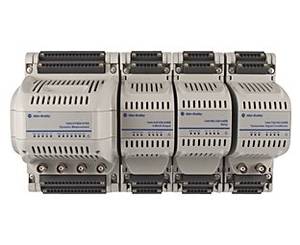
 Industrial equipment monitoring
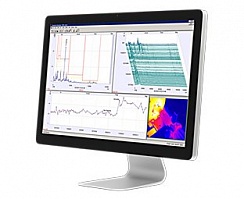
In modern industrial complexes with numerous process equipment and machines, an equipment monitoring system plays a vital role. It allows for monitoring of equipment status, generating reports on downtime, energy consumption, and the efficiency of each piece of equipment. This allows companies to use their equipment more efficiently, reduce energy costs, and manage staff time.
Objectives and tasks of equipment monitoring systems
The primary goal of equipment monitoring systems is to ensure continuous operation and prevent potential failures and breakdowns. By analyzing data received from equipment in real time, potential problems can be identified and corrective action taken before they lead to serious consequences.
The main tasks of equipment monitoring systems include:
-
Equipment status monitoring. The monitoring system provides up-to-date information on the status of each piece of equipment. This includes information on its load, performance, and efficiency.
-
Equipment downtime analysis. By monitoring equipment downtime, you can identify its most vulnerable areas and take steps to optimize performance.
-
Energy consumption control. The equipment monitoring system also allows you to track the energy consumption of each piece of equipment.
-
Improving performance. Analyzing data from a hardware monitoring system helps identify factors that may be impacting performance. This could be due to improper hardware settings, inefficient resource usage, or other reasons.
-
Preventing emergency situations. One of the important tasks of equipment monitoring systems is preventing potential emergency situations. By analyzing data and identifying anomalies, the system can provide warnings about potential breakdowns or failures.
Electronic equipment monitoring systems
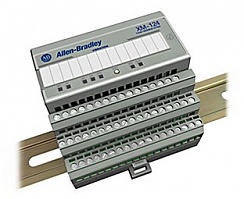
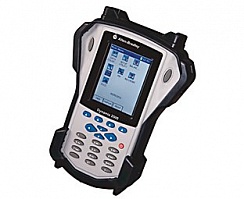
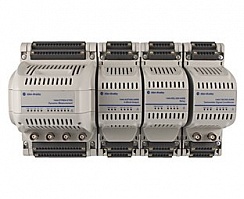
Modern technologies allow the use of electronic equipment monitoring systems, which provide more accurate and up-to-date information on equipment condition. These systems include sensors that monitor various parameters, such as temperature, pressure, vibration, and others.
Advantages of electronic equipment monitoring systems: 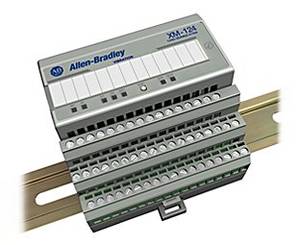
-
Real-time. Electronic equipment monitoring systems provide real-time data. This allows for prompt response to any changes and preventative measures.
-
Accuracy and reliability. By using sensors, electronic equipment monitoring systems provide more accurate and reliable information about equipment condition.
-
Automation. Electronic equipment monitoring systems automate the process of monitoring and data analysis. This reduces the workload on personnel and allows for more efficient use of enterprise resources.
-
Integration with other systems. Electronic equipment monitoring systems can be integrated with other enterprise management systems, such as manufacturing execution systems or resource planning systems.
Buy equipment monitoring systems in Kazakhstan
Equipment monitoring systems play a vital role in modern industrial complexes. They allow you to monitor the condition of equipment, analyze data, and take action to improve its efficiency. The choice of a specific system depends on the needs and characteristics of the enterprise, but any equipment monitoring system will help improve processes and increase operational efficiency.