Photoelectric sensors
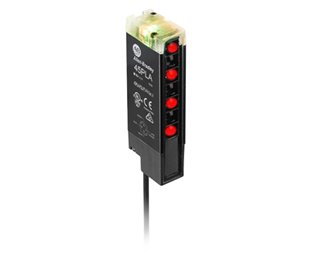
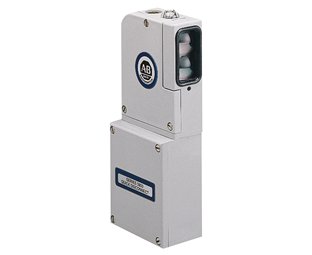
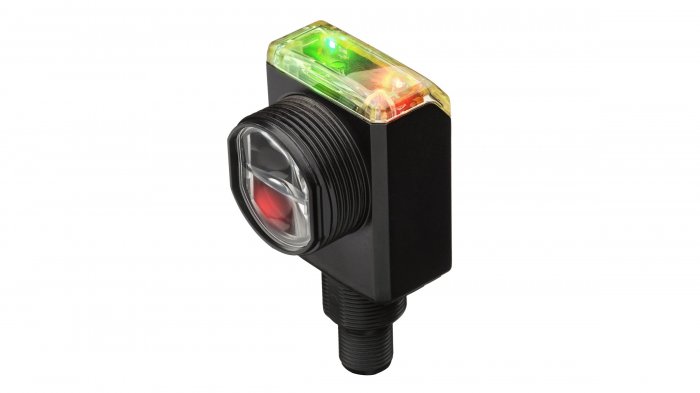
- 1
- 2
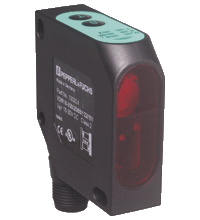
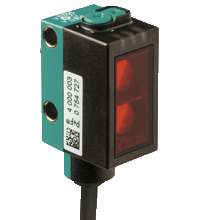
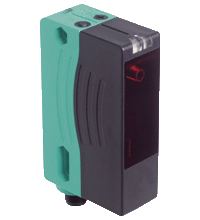
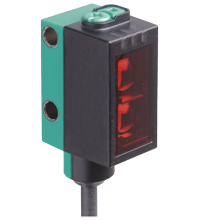
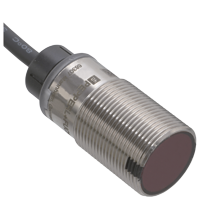
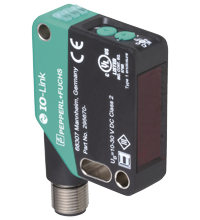
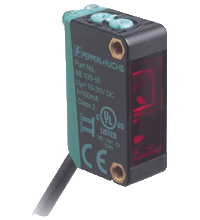
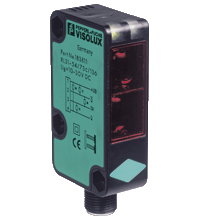
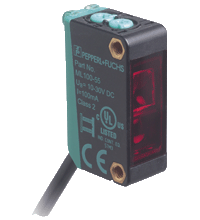
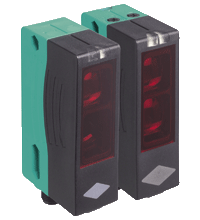
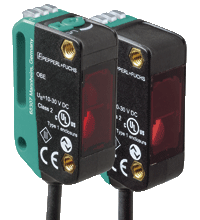
Photoelectric sensor
The photoelectric sensor is a significant advancement in modern technology, significantly simplifying and automating object detection processes. It is used in a variety of industries and sectors, from automated production lines to smart homes and cities. You can purchase reliable equipment from Power Technology Solutions. As an authorized distributor of leading sensor manufacturers, we guarantee direct product delivery with the shortest possible lead times.
The working principle of a photoelectric sensor
A photoelectric sensor uses light to detect objects. It consists of a transmitting and receiving element that generates and detects infrared, visible, or ultraviolet radiation. When an object enters the sensor's range, the emitted beam is reflected off its surface and returned to the receiver. The device analyzes the delay time between the transmission and reception of the signal, determining the presence and distance of the object.
Features of modern photoelectric sensors
- High accuracy and reliability. A properly selected sensor model ensures accurate detection of an object, even under varying lighting conditions and across a variety of materials.
- Contactless. Using light beams eliminates physical contact with the object, which is especially important in dirty or hazardous environments.
- Wide range of applications. They are suitable for a variety of tasks, including industrial process automation, transportation system management, and access control.
- Energy efficiency. Photoelectric sensors consume little power and have a long service life, making them cost-effective to use.
Prospects for technology development
With advances in microelectronics and optics technologies, photoelectric sensors are becoming increasingly compact, sensitive, and functional. Detection ranges are expected to increase to several hundred meters in the near future, as well as improved data processing algorithms for more accurate object detection.
Photoelectric sensors are an integral part of modern automation and safety technologies. Their use not only simplifies work processes but also contributes to increased efficiency and safety in various areas of human activity. The rapid development of this technology promises even greater achievements and new opportunities in the future.